
Key Takeaways
- Assisted living caregivers are trained to notice early signs of dementia and communicate changes with families promptly.
- Care plans are updated to reflect new needs as they arise, blending medical and emotional support.
- Memory care offers a more structured, tailored environment when assisted living no longer meets a resident’s needs.
- Families are included in every step of the care journey, from diagnosis to transition.
- Dementia does not take away a person’s dignity, joy, or sense of belonging.
When Dementia Appears After a Move to Assisted Living
Watching a loved one change is one of the hardest things a family can go through. When someone you care about begins showing signs of memory loss or confusion after already settling into a senior living community, it’s common to have questions about their care and what the next steps might look like.
As memory changes become more noticeable, it doesn’t mean your loved one has to leave behind the life they’ve built. Some senior living communities already have the support systems in place to adapt as care needs change, helping residents stay safe, comfortable, and connected.
How Assisted Living Staff Spot the Early Signs
One of the advantages of assisted living is that caregivers are present in your loved one’s daily life. That regular support can make it easier to recognize subtle changes. A missed meal here, a repeated question there, or a sudden change in mood or routine can all signal that something worth paying attention to is happening.
Those observations don’t get filed away and forgotten. They’re tracked and documented carefully so that patterns become clear over time. When something stands out, families hear about it right away. Understanding the early signs of dementia can make it easier to recognize changes over time and have informed conversations with the care team.
How Care Changes After a Diagnosis
Care Plan Adjustments
As needs change after a dementia diagnosis, reviewing the care plan can help determine whether any updates may be appropriate. What worked before may need to shift, and that’s okay. Caregivers work to layer in additional support, whether that means more frequent check-ins, adjusted daily routines, or added emotional support woven into everyday moments.
The goal is always to meet your loved one where they are. That means the plan grows with them rather than staying fixed while their needs change. Medical support and emotional care go hand in hand here, so nothing important gets overlooked.
Family Involvement in the Process
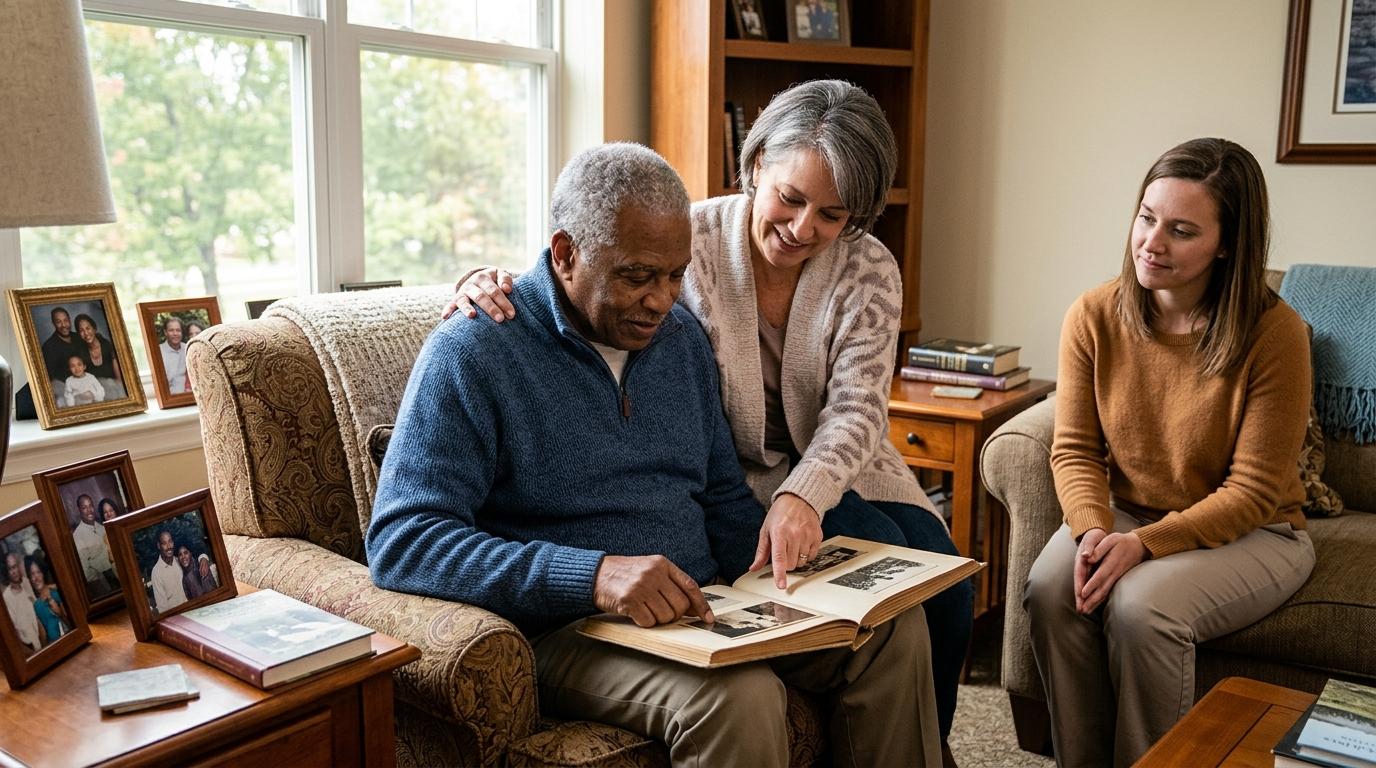
Family members often play an important role in conversations about care. Sharing your loved one’s routines, preferences, and personal history can help the care team better understand what matters most to them.
Open communication can also make it easier to ask questions, discuss concerns, and understand any recommended changes to the care plan. You may also want to ask the care team for guidance on caring for a parent with dementia as your family member’s needs change.
Moving from Assisted Living to Memory Care
When a Move to Memory Care Makes Sense
There may come a point when the structure of assisted living no longer fully meets your loved one’s needs. Increased safety concerns, such as wandering behavior or significant confusion with daily tasks, can signal that a more focused environment may be a good option.
Memory care is designed with those needs in mind. Many memory care communities offer a more predictable daily rhythm, a smaller and more familiar setting, and caregivers whose focus is specifically on supporting people living with dementia. For many families, it becomes the next step as care needs change.
How the Transition Is Handled with Compassion
Moving from one level of care to another can feel daunting for families, but it doesn’t have to feel abrupt. When possible, familiar faces, consistent routines, and a care team that already knows your loved one can make a meaningful difference during the adjustment.
Depending on the community, families may receive guidance and support throughout the process. Planning and asking questions can also help families feel more prepared for the transition.
How Senior Living Communities Support Residents with Dementia
Care for someone living with dementia goes well beyond daily tasks. Some communities also offer spiritual and emotional well-being programs, including one-on-one chaplain visits and group programs that support the whole person, not just their medical needs.
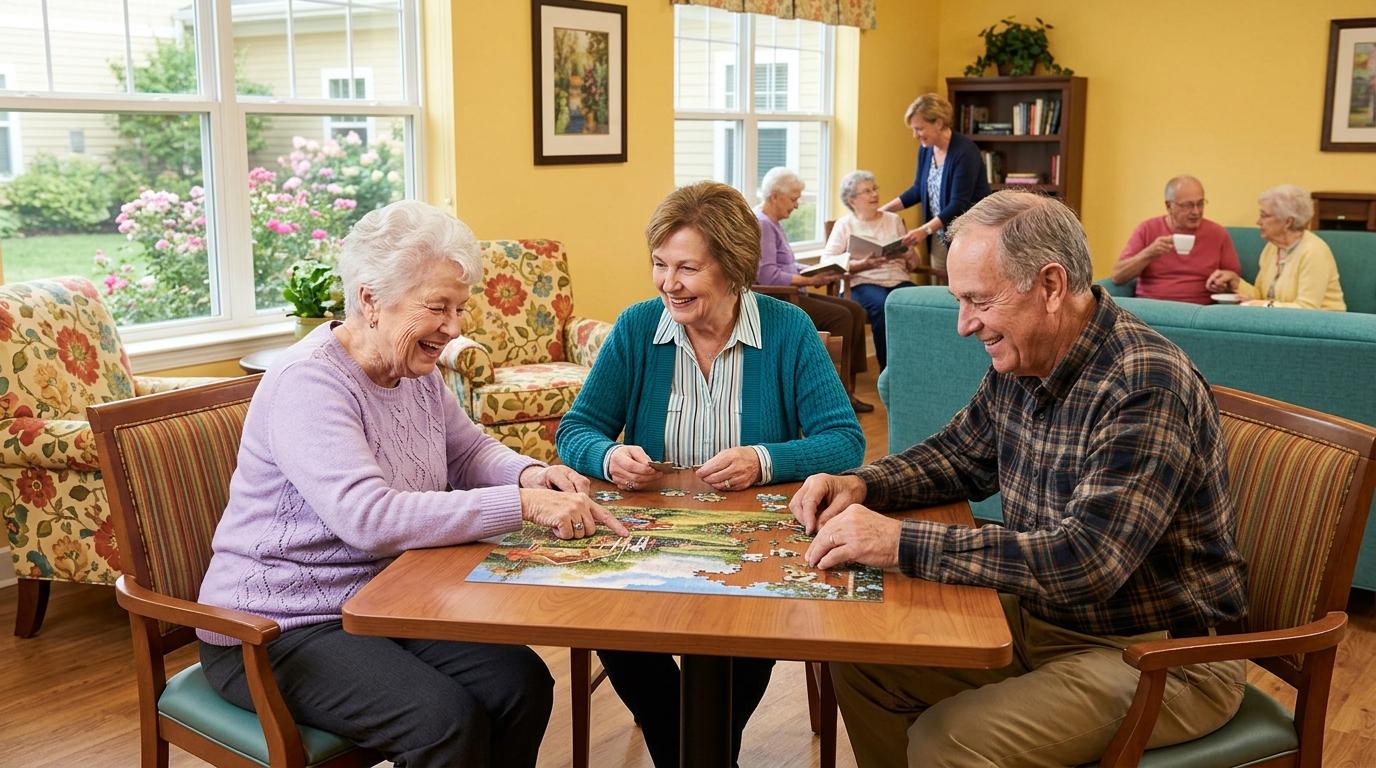
Depending on the community, on-site primary care may also be available to help support ongoing health needs. And social connection stays a priority. Meaningful activities for residents with dementia help keep engagement, laughter, and relationships at the heart of daily life, supporting connection and a sense of purpose.
What Families Can Do to Feel More at Ease
Questions Worth Asking the Care Team
It’s always a good idea to ask about the details of memory care programs, including what a typical day looks like, the level of supervision residents receive, and how caregivers respond when residents become confused or distressed.
Ways to Stay Connected & Present
Regular visits go a long way. Even when words become harder, your presence is felt. Sitting together, sharing a meal, or simply being in the same room matters more than most people realize.
Staying involved in care decisions also helps families feel less like bystanders and more like partners. That sense of shared purpose can make the whole journey feel more manageable.
A Supportive Path Forward for Your Loved One
Dementia doesn’t erase who a person is. It doesn’t take away their need for connection, their sense of humor, or their capacity for joy. Compassionate, person-centered care focuses on each person’s unique needs, preferences, and abilities.
At Urbana Place Senior Living, your loved one’s dignity and comfort remain at the heart of everything. From assisted living to memory care, compassionate caregivers and a warm community stay constant through every chapter of the journey.
Contact us to learn more about our community.