
Key Takeaways
- Memory care provides a higher level of supervision than assisted living
- Memory care offers around-the-clock staff presence and personalized care plans
- Daily support includes help with meals, hygiene, and meaningful activities
- Families stay involved through regular communication and open visits
- Spiritual and emotional support is available for residents and their families
A Closer Look at Memory Care Supervision
Watching a loved one navigate memory challenges can bring a wave of questions, and one of the biggest is whether they’re truly safe and supported each day. You want to know someone is always nearby, paying attention, and ready to help at a moment’s notice.
Memory care in communities like Urbana Place Senior Living provides around-the-clock supervision with trained staff, personalized care plans, and a structured environment designed to support residents at every stage of their journey.
It’s a level of care built around consistency, safety, and genuine human connection every single day.
Touring a specialized memory care community can help you explore what it looks like in practice, so you can understand what daily life and supervision actually involve.
What Memory Care Supervision Actually Looks Like
Memory care isn’t just about having someone in the building. Staff members are present around the clock, checking in regularly and responding quickly when a resident needs support. That consistent presence can make a difference in how safe and settled residents feel.
No person experiences memory challenges the same way, and care shouldn’t feel like a one-size-fits-all approach.
Each resident receives a personalized care plan shaped by a team that gets to know your loved one’s unique needs, preferences, and history. The goal is to meet each person exactly where they are, and however that changes day to day.
Consistent daily routines also play a big role in memory care. When the rhythm of the day stays predictable, residents can feel calmer and more at ease. Familiar patterns help replace the anxiety that uncertainty can bring.
The Types of Support Provided Each Day
Personal Care and Daily Help
Day-to-day life in memory care includes hands-on support with meals, hygiene, and daily tasks. Staff offer gentle reminders and step in with assistance whenever it’s needed, without rushing or making residents feel out of place. The focus is always on dignity and comfort.
Mealtimes, in particular, are thoughtfully supported. Whether a resident needs help with utensils or just a friendly face across the table, the care team is there to make the experience feel warm and normal. Small moments like these add up in meaningful ways.
Safety and Engagement Throughout the Day
Communities design memory care spaces with resident well-being in mind. Secure layouts help prevent wandering behaviors while still giving residents room to move, explore, and feel at home. The environment itself is part of how care gets delivered.
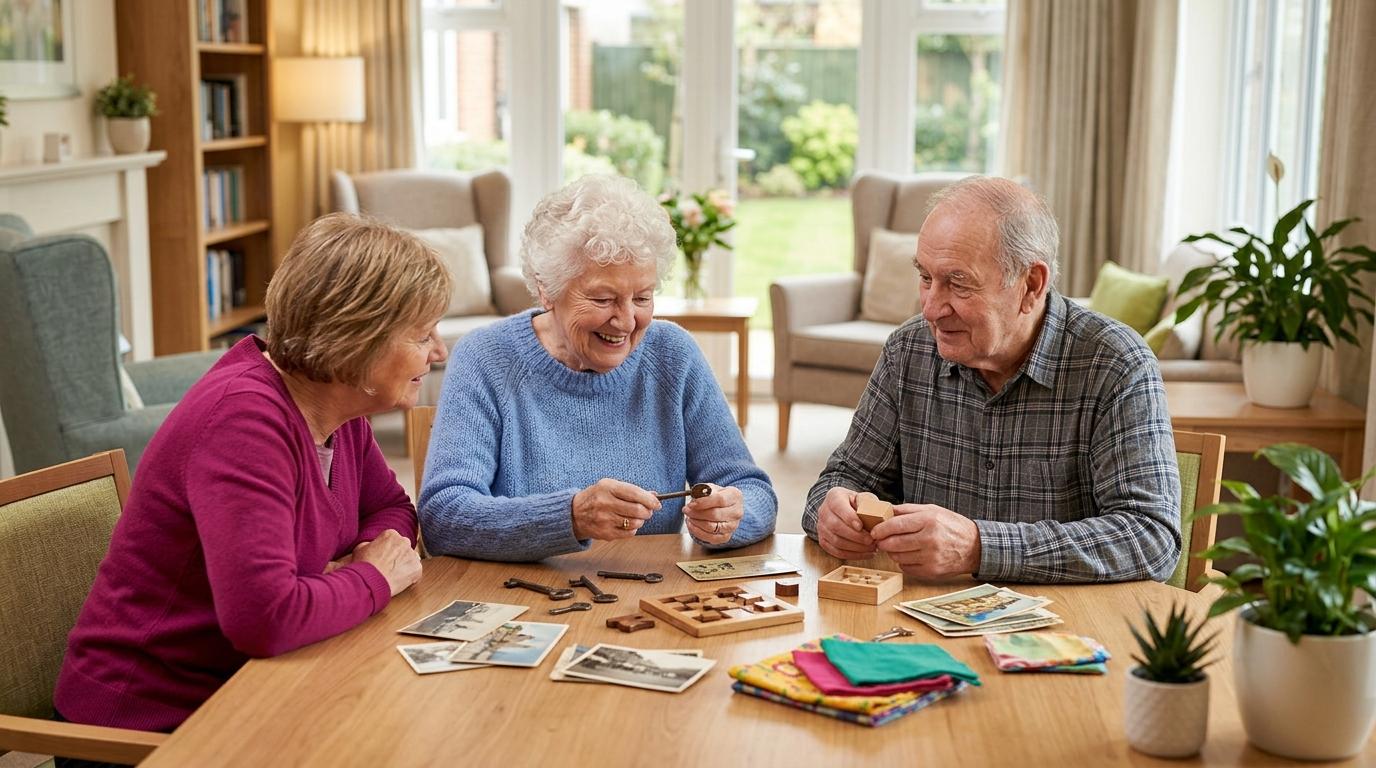
Structured activities fill the day with purpose and connection. From music and art to group conversations and gentle movement, these programs can spark genuine joy and keep residents engaged.
How Memory Care Differs from Other Senior Living Options
If you’re weighing memory care against other senior living options, exploring the differences can help you understand what your loved one needs.
Memory care communities have a higher staff-to-resident ratio than assisted living, meaning more eyes, more hands, and more immediate support throughout the day.
The approach is also more specialized. The staff trains specifically to work with residents experiencing memory-related conditions, and the environment reflects that. It goes beyond general caregiving into something more intentional and attentive.
Compared to independent living, memory care offers a much more structured setting. Where independent living celebrates freedom and self-direction, memory care prioritizes gentle guidance and steady support. Both are valuable, but they serve very different goals.
A closer look at the key differences between memory care and assisted living can help you sort through which level of support fits your loved one.
What Families Can Expect from the Memory Care Team
Communication and Family Involvement
Families aren’t left in the dark. The care team shares regular updates so you always have a clear picture of how your loved one is doing. Staying informed helps you feel connected even when you’re not physically present.
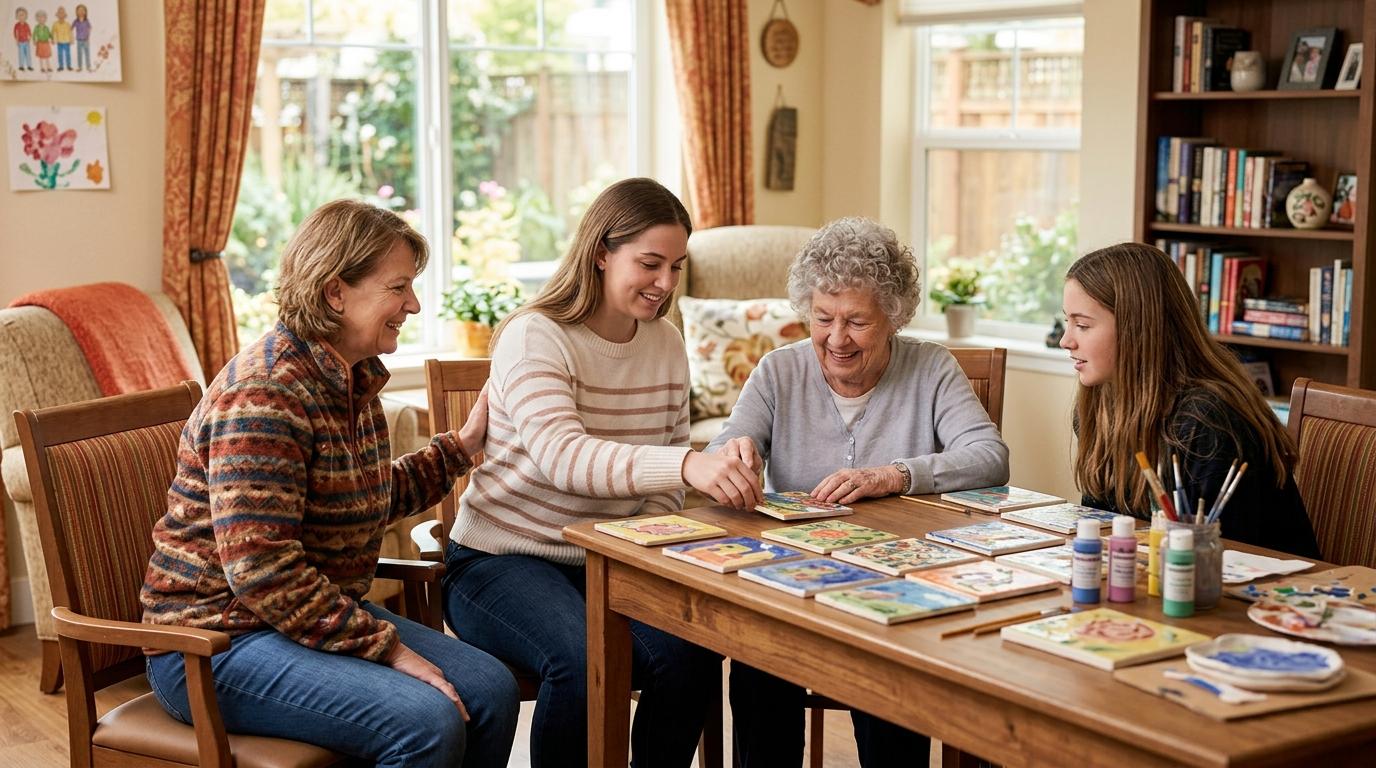
Visits are welcome and encouraged. Families are partners in the care journey, and the team works to make involvement as easy and meaningful as possible. Your presence matters to your loved one and to the people caring for them.
Spiritual and Emotional Support for Residents
Memory care at Urbana Place includes access to chaplains who offer one-on-one visits and personal support. These connections can bring comfort and peace to residents who may not always find words easy to come by.
Programs are available to honor each person’s spiritual background and emotional needs. Whether it’s a quiet moment of reflection or a group gathering, residents are supported in ways that go far beyond physical care.
Families navigating this season can also find helpful guidance through community resources on caring for a parent with dementia.
How to Know if Memory Care Is the Right Fit
If your loved one is wandering, forgetting to eat, or struggling to stay safe at home, those are signs that more support may be needed. A memory care community can provide the attentive, structured environment that home settings sometimes can’t.
When touring a memory care community, ask about staff ratios, daily routines, and how the team creates care plans. Ask how the care team keeps families in the loop and what happens when a resident’s needs change. The answers will tell you a lot.
Try to involve your loved one in the conversation as much as possible—their comfort and sense of belonging matter deeply. Touring together, sharing concerns, and listening to their voice can make the transition feel like a shared step forward rather than a decision made for them.
When you’re ready to reach out, we’d love to show you around. Schedule your visit today.