
Key Takeaways
- Dementia can significantly affect daily safety in ways that are easy to overlook at first
- Early stages may allow for some independence with the right support in place
- Memory care offers structured, personalized care that brings comfort and calm
- Family members and caregivers don’t have to carry this weight alone
- Respite care and community tours can provide a gentle, no-pressure first step
When a Loved One’s Safety Becomes a Real Concern
There’s a moment many families know well. You visit your loved one and notice something feels a little off. Maybe the stove was left on, or a week’s worth of medications sits untouched. It’s a quiet worry that starts small and then grows into something harder to ignore.
For someone living with dementia, living alone can become increasingly unsafe as the condition progresses, and knowing when to act is one of the most loving things a family can do.
It’s not an easy conversation, but it’s one worth having with care and compassion.
Urbana Place Senior Living understands how much weight this moment carries, and our memory care community can help your family navigate it with warmth and clarity.
Signs That Living Alone May No Longer Be Safe
Dementia affects memory, judgment, and daily routines in ways that aren’t always obvious right away. But certain signs can point to a need for more support.
If your loved one is regularly missing medications, skipping meals, or forgetting important appointments, those gaps can add up quickly and affect their health.
It’s helpful for families to learn about early warning signs so they can recognize when something more than normal forgetfulness may be happening.
Increased confusion, wandering, or disorientation around the home are signals worth taking seriously. So are recent falls, accidents, or close calls that could have turned dangerous.
These moments aren’t signs of failure. They’re signals that the level of care your loved one needs has changed.
What Dementia Progression Means for Daily Life
Early Stage Dementia at Home
In the earlier stages of dementia, some level of independence may still feel manageable. Your loved one might still handle familiar routines, enjoy hobbies, and move through their day with relative ease. Light support and regular check-ins can go a long way during this time.
Now is the stage to plan proactively. You can include your loved one in exploring options. You can also get a sense of what their preferences are before a crisis makes the decision feel rushed.
Learning about the possibilities can give families peace of mind and help decide when memory care may be the right next step.
When Care Needs Begin to Grow
As dementia progresses, everyday tasks like cooking, bathing, and managing medications can become harder and sometimes risky. What once felt manageable may become overwhelming for both your loved one and you as the caregiver.
Safety concerns often grow quietly over time. Nighttime wandering, getting lost in familiar places, changes in behaviors, and difficulty recognizing hazards are all signs that living alone may no longer provide the safety and comfort your loved one deserves.
Learning how dementia progresses through its stages can help your family feel more prepared for what lies ahead.
How Memory Care Supports Your Loved One
A Routine That Brings Calm and Comfort
One of the most meaningful gifts memory care can offer is structure. A predictable daily rhythm, familiar faces, and consistent routines help reduce confusion and anxiety for those living with dementia. When the day feels steady and safe, emotional well-being tends to follow.
Small moments, like a morning walk, a favorite song, or a shared meal, carry real weight. A thoughtful routine turns moments into anchors, helping residents feel grounded and cared for throughout the day.
Personalized Care Plans for Each Resident
No one experiences dementia the same way, and memory care recognizes that. Care plans are shaped around each resident’s individual needs, preferences, and history, so your loved one receives support that can actually fit who they are.
Spiritual and emotional well-being are part of that picture. Chaplain services, one-on-one counseling, and connections to spiritual communities help residents feel seen as whole people, not just as someone who needs physical care.
You can learn more about the full range of community services and programs available to support your loved one’s whole self.
The Role of Family and Caregivers in This Decision
Caregiver burnout is real, and it’s worth naming honestly. When you’re managing your loved one’s safety, health, appointments, and emotions on top of your own life, exhaustion beyond words can take over your life.
Feeling worn down doesn’t mean you’ve done anything wrong. There are practical ways to find relief for caregiver stress. The first step is often acknowledging when more support is needed—for you and your loved one.
Decisions about care and health tend to feel lighter when you make them together. Including your loved one in conversations, when possible, and leaning on other family members or trusted friends can make the process feel more supported.
Guidance on caring for a parent with dementia can also help your family move forward with more clarity and less fear.
Next Steps When You’re Ready to Explore Options
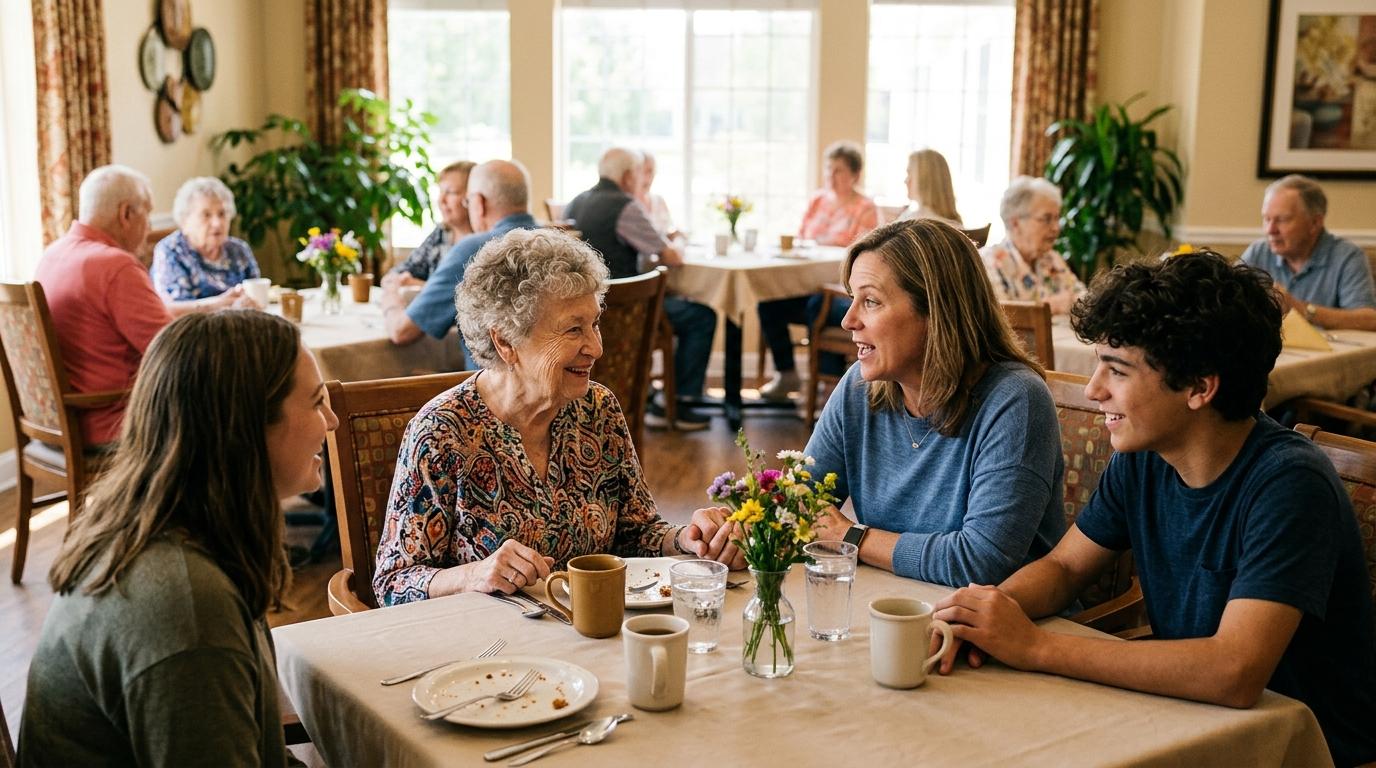
If you’re starting to wonder whether memory care might be the right fit, a tour can bring clarity. Seeing the space, meeting the caregivers, and watching daily life unfold in real time answers questions that no brochure can.
Take a look at the community floorplans and gallery to get a first glimpse before you visit.
At Urbana Place Senior Living in Brooklyn Park, a warm, no-pressure visit is always welcome. Schedule a visit to see what a supportive, caring community can look like for your family.